Introduction
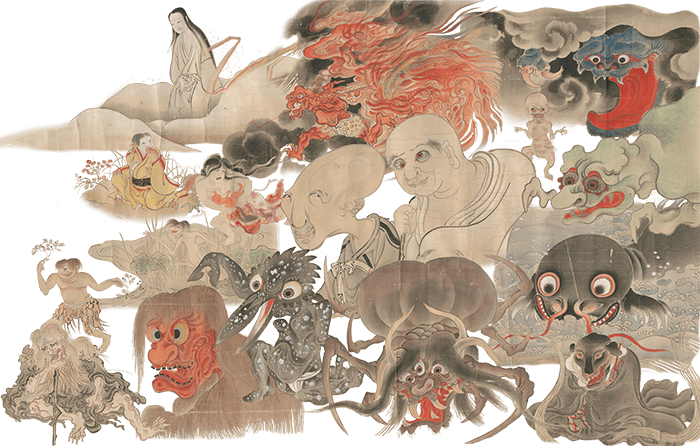
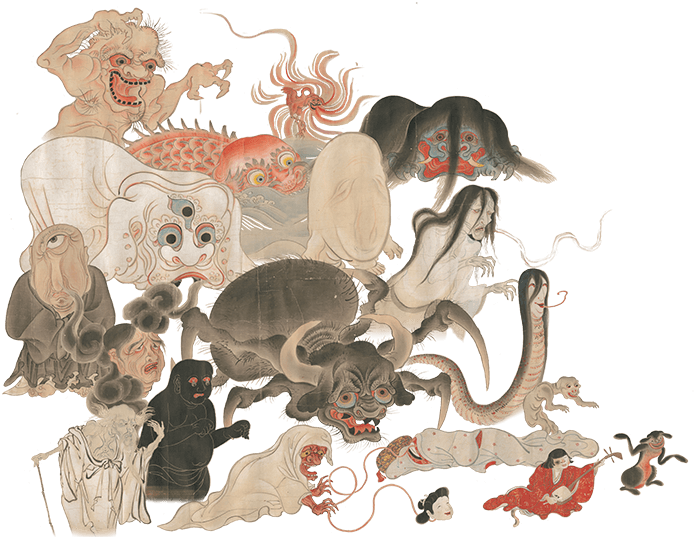
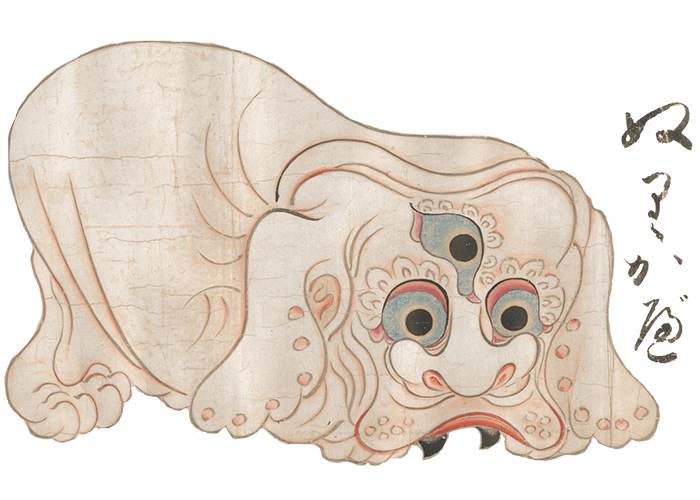
The variety and abundance of bakemono 化物, or yōkai 妖怪 (supernatural creatures and phenomena), in Japanese culture is astounding. For more than a millennium creepy creatures and ghastly ghosts have haunted and entertained the imagination of the Japanese, some familiar, widespread, and longstanding, and some new, localized, and mutable. A post-war boom in yōkai culture, fueled by Japanese horror cinema and the immensely popular manga (comic book) series GeGeGe no Kitarō ゲゲゲの鬼太郎 (1965-1997), by Mizuki Shigeru 水木しげる (1922-2015), led to resurging interest in the history of the supernatural in Japan. Books from before the modern era have been mined for information, both textual and visual, on the historical roots of many supernatural creatures. Toriyama Sekien’s 鳥山石燕 (1712-1788) four-part series of books, Gazu hyakki yagyō画図百鬼夜行 (The Illustrated Night Parade of a Hundred Demons, 1776-1781) became the most influential source for yōkai information. Much of the information and many of the images Toriyama featured were gathered from earlier sources, such as illustrated handscrolls of the Edo period (1600-1868). From early in the Edo period, handscrolls featuring compendia of supernatural creatures were produced and called Bakemonozukushie (“indexes of bakemono”). BYU’s Bakemono no e 化物之繪 (Illustrations of Supernatural Creatures), also titled Bakemonozukushie 化物尽繪 (Illustrated Index of Supernatural Creatures), is perhaps the oldest extant version of this type of index handscroll.